The Advantages Of Epoxy Flooring and Coating As A Tile Overcoat
Tiles are a popular choice for flooring both indoors and outdoors due to their high quality, cleanliness, and stylish appearance. However, when it comes to refreshing the look of your tiles or providing an added layer of protection, epoxy flooring can be an excellent option. If you're looking to give your tiles a classy makeover with an epoxy flooring and coating in Melbourne, this is the article that will give you all the information.
The Appeal of Tiles
Tiles have long been favored for their durability and aesthetic appeal. Made from materials such as stone, metal, and glass, most tiles are clay-based and offer a versatile solution for various environments. They can be used both indoors and outdoors, often featuring a rough finish to prevent slipping. Despite their many benefits, tiles can sometimes deteriorate or become outdated in appearance. This is where epoxy flooring can come in handy.
Epoxy Overcoating: A Fresh Look for Tiles
Many homeowners and business owners are unaware that they can refresh their tiled spaces by overcoating them with epoxy resin. This technique can breathe new life into residential, commercial, or industrial areas. However, not all tiles are suitable for overcoating with epoxy, and several factors must be considered before proceeding with this process.
Why Choose Epoxy Overcoating?
There are several reasons why customers opt to cover their tiles with epoxy:
Restoration of Appearance: Over time, tiles can lose their original color and become unattractive. Epoxy overcoating restores their visual appeal.
Improved Safety: Epoxy can make tiles less slippery, providing a safer surface, especially in areas prone to moisture.
Ease of Maintenance: Tiles that were not originally sealed can accumulate dirt and grime, making them difficult to clean. Epoxy overcoating creates a seamless, easy-to-clean surface without gaps or grout lines.
Enhanced Durability: Epoxy flooring is known for its strength and longevity. It creates a homogeneous, slip-resistant floor that is easier to maintain and more durable than traditional tile surfaces.
High Gloss and Reflective Finishes
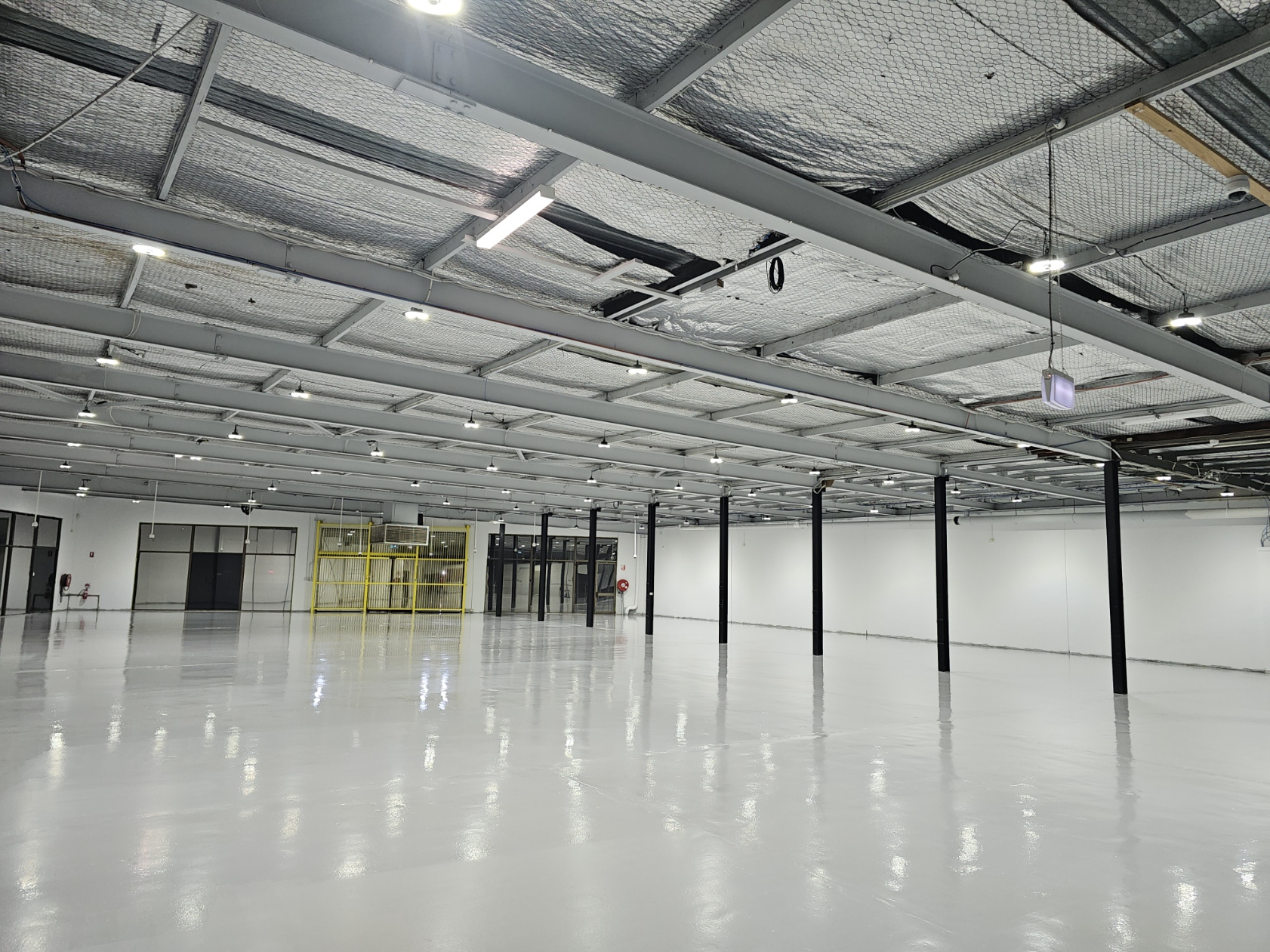
Epoxy coatings are typically available in high gloss and semi-reflective finishes, which can enhance the brightness of a space by reflecting light. The choice of color can also play a significant role in revitalizing an area, making it feel more vibrant and alive.
Critical Considerations for Epoxy Overcoating
When considering epoxy overcoating, it is crucial to pay attention to how the tiles were installed, the type of adhesive used, and the substrate they are attached to. Epoxy coatings are generally rigid, and any movement in the substrate can cause the coating to crack. This is particularly relevant when tiles are installed over fiber cement sheeting rather than directly on concrete.
The Importance of a Stable Base
The best foundation for epoxy overcoating is tiles firmly adhered to concrete. This stability ensures that the epoxy coating will hold up over time. Before overcoating, it’s essential to inspect the tiles for any that may be loose or “drummy.” This can be done using a heavy chain to listen for hollow sounds or performing a knock test. Damaged or loose tiles must be fixed before proceeding with the epoxy application. On average, up to 10% of tiles may have issues that need addressing.
Additional Preparation
If the tiles are uneven, extra material and preparation will be required to achieve a smooth surface. Over-grinding tiles can lead to breakage, so it’s important to handle this step with care. The grout lines may also contain contaminants that can interfere with the epoxy’s adhesion. Understanding the floor’s history can help determine if it is suitable for overcoating, particularly in commercial settings like kitchens where cleanliness and durability are paramount.
Durability and Maintenance
Epoxy-coated floors are not maintenance-free, but with proper care, they can last longer and provide greater enjoyment. Most epoxy floors require a quick hot water detergent mop every 2-4 weeks, depending on usage and whether they are indoors or outdoors. Immediate cleanup of spills is also crucial, as different types of epoxies have varying levels of chemical resistance. Discussing these details with your service provider can help ensure you select the right epoxy system for your needs.
Safety Considerations
Safety is a key factor when choosing flooring options. Epoxy overcoating can significantly enhance slip resistance, especially in areas prone to moisture like swimming pools, bathrooms, and laundry rooms. The level of foot traffic and the likelihood of slips and falls should also be considered, along with any special needs that may require accommodation.
Conclusion
Tiles are a durable and stylish flooring option, but they can sometimes benefit from an additional layer of protection and aesthetic enhancement. Epoxy overcoating offers a practical solution for revitalizing tiled spaces, providing a seamless, easy-to-maintain surface that is both beautiful and functional. By considering factors such as tile installation, adhesive type, and substrate stability, homeowners and business owners can achieve stunning results with epoxy flooring. For those looking to transform their tiles with epoxy overcoating and concrete resurfacing in Frankston, make sure to get in touch with a certified and experienced contractor specialized in epoxy flooring and overcoat.
Recent Blogs
What Is The Longevity Period Of Concrete Epoxy Flooring?