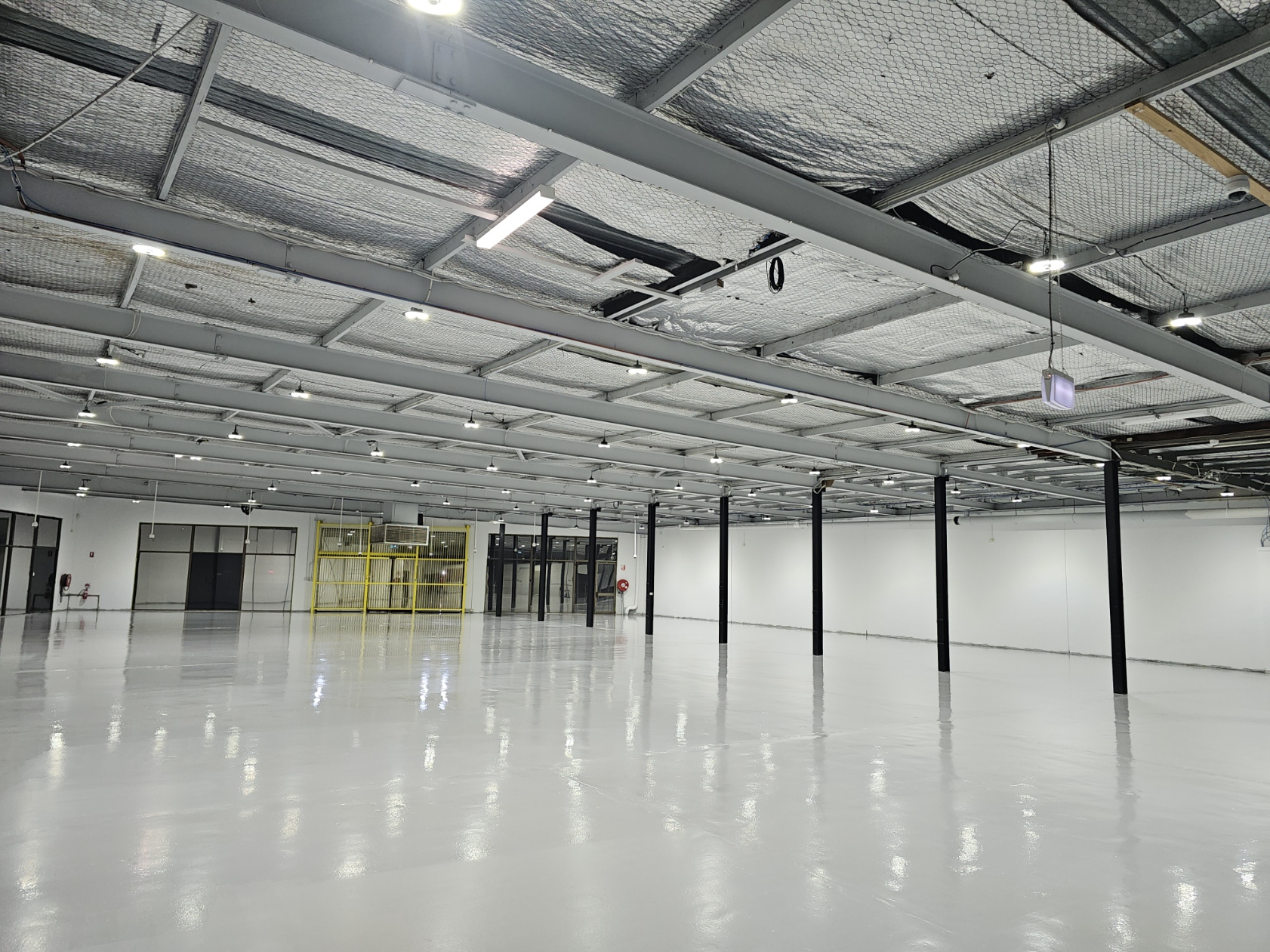
Why Do Concrete Floors Crack: Floor Resurfacing In Melbourne
Concrete floors are renowned for their durability and aesthetic appeal, making them a popular choice for both residential and commercial spaces. However, despite their robust nature, concrete floors are susceptible to cracking if not properly installed or maintained. Cracks not only detract from the floor's appearance but can also compromise its structural integrity over time. In this comprehensive guide, we delve into the common causes of concrete floor cracking, effective preventive measures, and professional floor resurfacing in Melbourne to ensure your concrete floors remain pristine and resilient.
Common Causes of Concrete Floor Cracking
Cracking in concrete floors resurfacing Melbourne can stem from various factors, primarily related to construction practices and environmental conditions. One of the foremost causes is shrinkage or thermal contraction. As freshly poured concrete dries and cures, water evaporates, causing the concrete to shrink. This shrinkage creates internal stresses within the material, often leading to visible cracks on the surface. Insufficient reinforcement exacerbates this issue, as unreinforced concrete lacks the structural support to withstand such stresses, especially under heavy loads or fluctuating temperatures.
In addition to shrinkage, poor construction practices such as inadequate compaction during pouring or improper curing can also contribute to cracking. Improperly cured concrete fails to attain its full strength and resilience, making it more susceptible to cracking over time. External factors such as poor drainage around the foundation, soil movement, and extreme temperature variations further increase the risk of concrete floor cracking.
Preventive Measures to Reduce Cracking
Proper installation and preventive measures are crucial in minimizing the occurrence of cracks in concrete floors. Here are key steps to consider:
- Quality Construction Practices: Engage experienced concrete contractors who adhere to best practices in concrete installation. This includes proper site preparation, adequate compaction of sub-base materials, and meticulous pouring techniques to minimize air voids and ensure uniformity.
- Reinforcement: Incorporating reinforcement materials such as steel rebars or fibres significantly enhances the tensile strength of concrete, reducing the likelihood of cracking due to structural stress. Reinforcement distributes loads more evenly and helps mitigate shrinkage-induced cracking.
- Effective Curing Techniques: Proper curing involves maintaining optimal moisture and temperature conditions during the initial curing period. This process allows concrete to achieve maximum hydration and strength development, minimizing shrinkage-related cracks. Techniques like curing compounds or moist curing blankets can be employed depending on environmental conditions.
- Environmental Considerations: Evaluate site-specific factors such as drainage patterns, soil composition, and anticipated temperature fluctuations. Improving drainage around the foundation prevents water accumulation that can undermine concrete stability, while selecting concrete mixtures suitable for local climate conditions helps mitigate thermal expansion and contraction.
- Regular Maintenance: Implement a proactive maintenance routine to preserve the integrity of concrete floors. This includes periodic cleaning to remove debris and contaminants that can weaken the surface, as well as applying sealants to protect against moisture intrusion and surface abrasion. Regular inspections allow early detection of minor cracks, enabling prompt repair to prevent escalation.
Professional Repair Solutions
In the event of concrete floor cracking, timely and expert repair is essential to prevent further damage and restore aesthetic appeal. Professional concrete contractors offer specialised repair services tailored to different types of cracks and floor conditions. Common repair techniques include:
- Crack Injection: Utilizing epoxy or polyurethane injections to fill and seal cracks, preventing moisture ingress and reinforcing the damaged area.
- Overlay Systems: Applying thin overlays or toppings that not only conceal existing cracks but also enhance surface durability and aesthetics.
- Polishing and Resurfacing: Mechanical polishing or surface grinding to remove surface imperfections and restore a smooth, uniform finish to the concrete floor.
- Epoxy Coatings: Applying epoxy coatings that provide a protective layer, enhancing resistance to abrasion, chemicals, and moisture while rejuvenating the floor’s appearance. Whenever you search with “epoxy flooring near me” you will be greeted with ample options for epoxy coatings.
Conclusion
Understanding the factors contributing to concrete floor cracking and implementing proactive measures are paramount to maintaining long-term durability and aesthetic appeal. By partnering with experienced concrete professionals and adhering to sound construction practices, you can mitigate the risk of cracks and ensure your concrete floors remain resilient and visually appealing for years to come.
Recent Blogs
What Is The Longevity Period Of Concrete Epoxy Flooring?